
Ever wondered WHY your body does that?
The weird.
The awkward.
The things nobody talks about.
There’s usually a reason.
DO YOU KNOW HORMONES?
HORMONES
Do you know what they are and how they work in your body?
You probably know more hormones than you think. They influence everything from your sleep and appetite to stress, energy, metabolism and much more.
But what exactly are they — and how can something you can’t even see have so much influence over how your body works?
WHAT ARE HORMONES?
Hormones are chemical messengers made by glands and organs throughout your body.
They travel through your bloodstream, carrying instructions to different tissues and organs.
They help regulate many of the things happening inside you every day — including sleep, appetite, stress responses, blood sugar, metabolism, growth and reproduction.
And there are more of them than you might think.
YOU KNOW MORE THAN YOU THINK
Scientists have identified more than 50 hormones in the human body — and you probably already know the names of quite a few.
Insulin. Adrenaline. Melatonin. Cortisol. Testosterone. Oestrogen.
They're all hormones.
And then there are others you may not have heard much about — including ghrelin and leptin, two hormones involved in signalling hunger, fullness and energy balance.
But knowing their names is one thing. What do they actually do?
SO, WHAT DO THEY ACTUALLY DO?
Each hormone has its own job — and some may surprise you.
Insulin helps regulate blood sugar. Melatonin helps regulate your sleep–wake cycle. Adrenaline prepares your body to respond quickly. Cortisol plays a role in stress, metabolism and energy. Ghrelin helps signal hunger. Leptin helps signal energy balance and fullness.
And that’s only scratching the surface.
But what happens when those signals change?
WHEN THE SIGNALS CHANGE
Changes in hormone levels or the way your body responds to them can affect many different systems.
You might notice changes in energy, sleep, appetite, mood, body temperature, weight, concentration or your menstrual cycle.
But here’s the important bit…
Experiencing these things doesn’t automatically mean your hormones are the cause.
There can be many possible explanations.
So how do you begin to understand what might be going on?
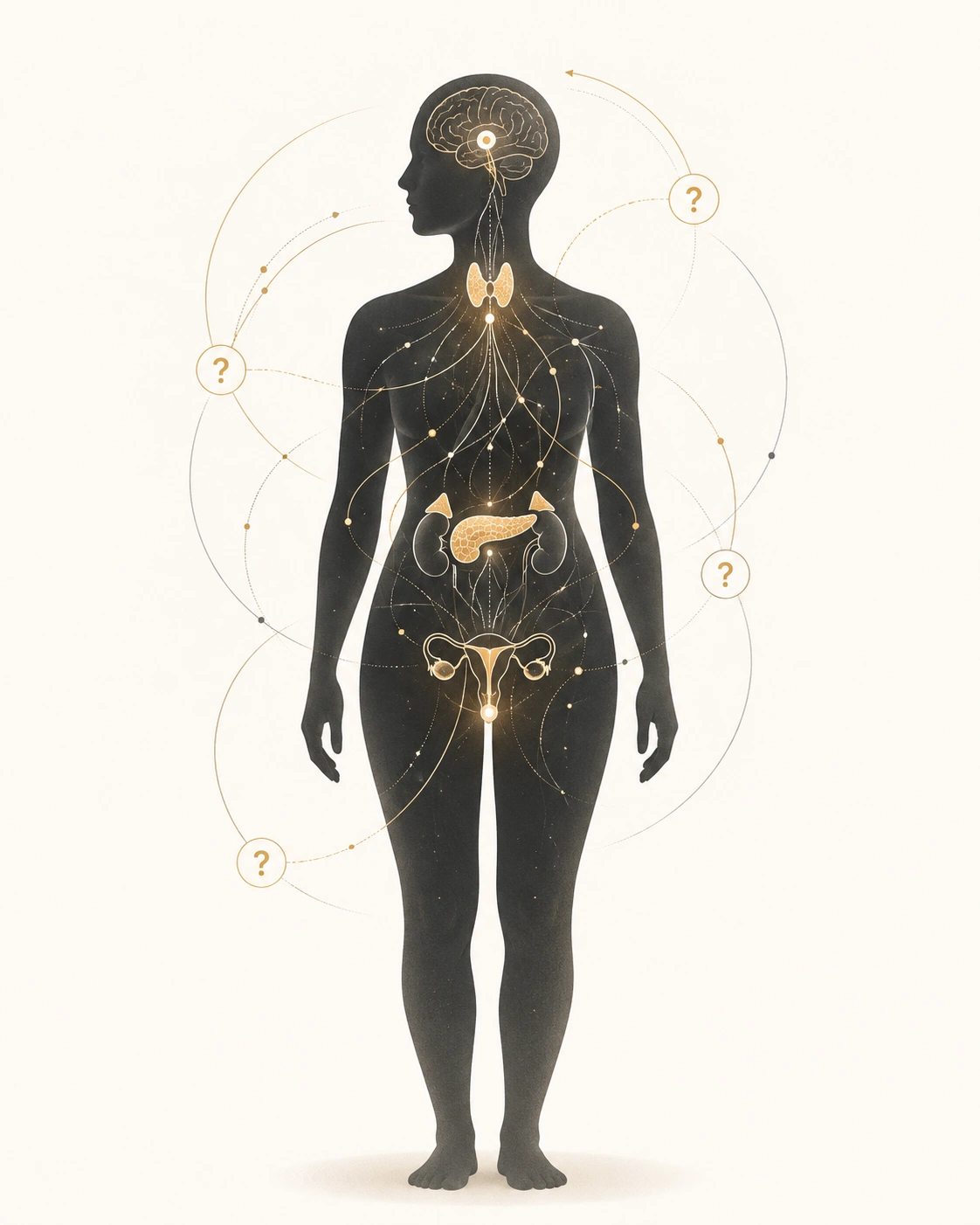
SO… WHAT COULD BE GOING ON?
The same symptom can have more than one possible explanation.
Feeling tired, flat, moody, hungry, wired, bloated or out of rhythm doesn’t automatically mean hormones are the cause.
Hormones can certainly play a role — but so can sleep, stress, nutrition, hydration, activity levels, life stage, medications and other health factors.
That’s why it helps to look at the bigger picture instead of jumping straight to one conclusion.
So before blaming your hormones… what’s actually happening inside the body?
Many everyday symptoms can overlap. Low energy, poor sleep, cravings, mood changes, brain fog, weight changes or feeling “off” may involve more than one body system.
Hormones don’t work alone. They interact with the brain, thyroid, adrenal system, blood sugar regulation, digestion and reproductive health.
And that's where things start to get interesting
WHAT’S ACTUALLY HAPPENING INSIDE YOUR BODY?
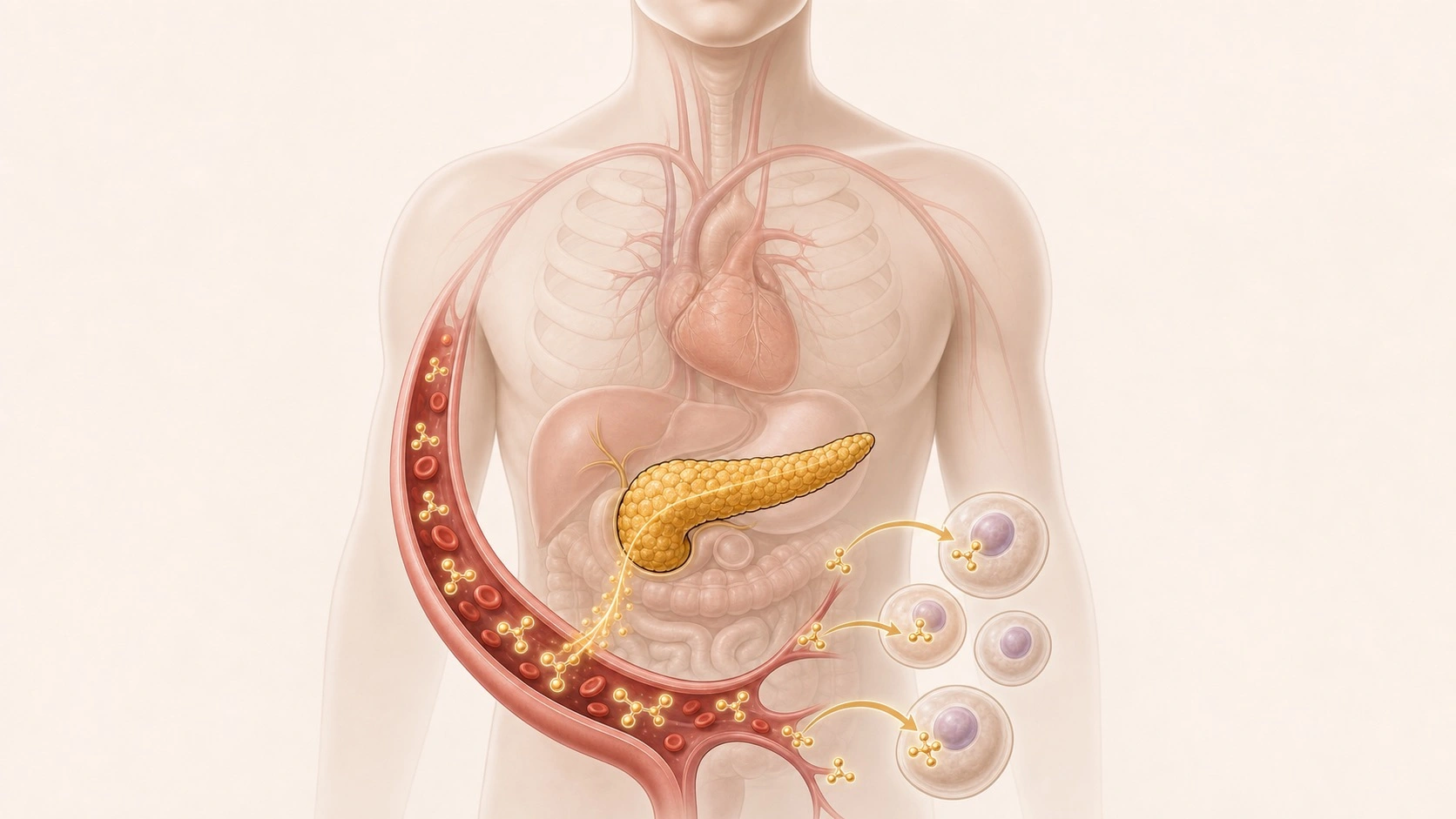
INSULIN
Helps regulate blood glucose and how your cells use energy.
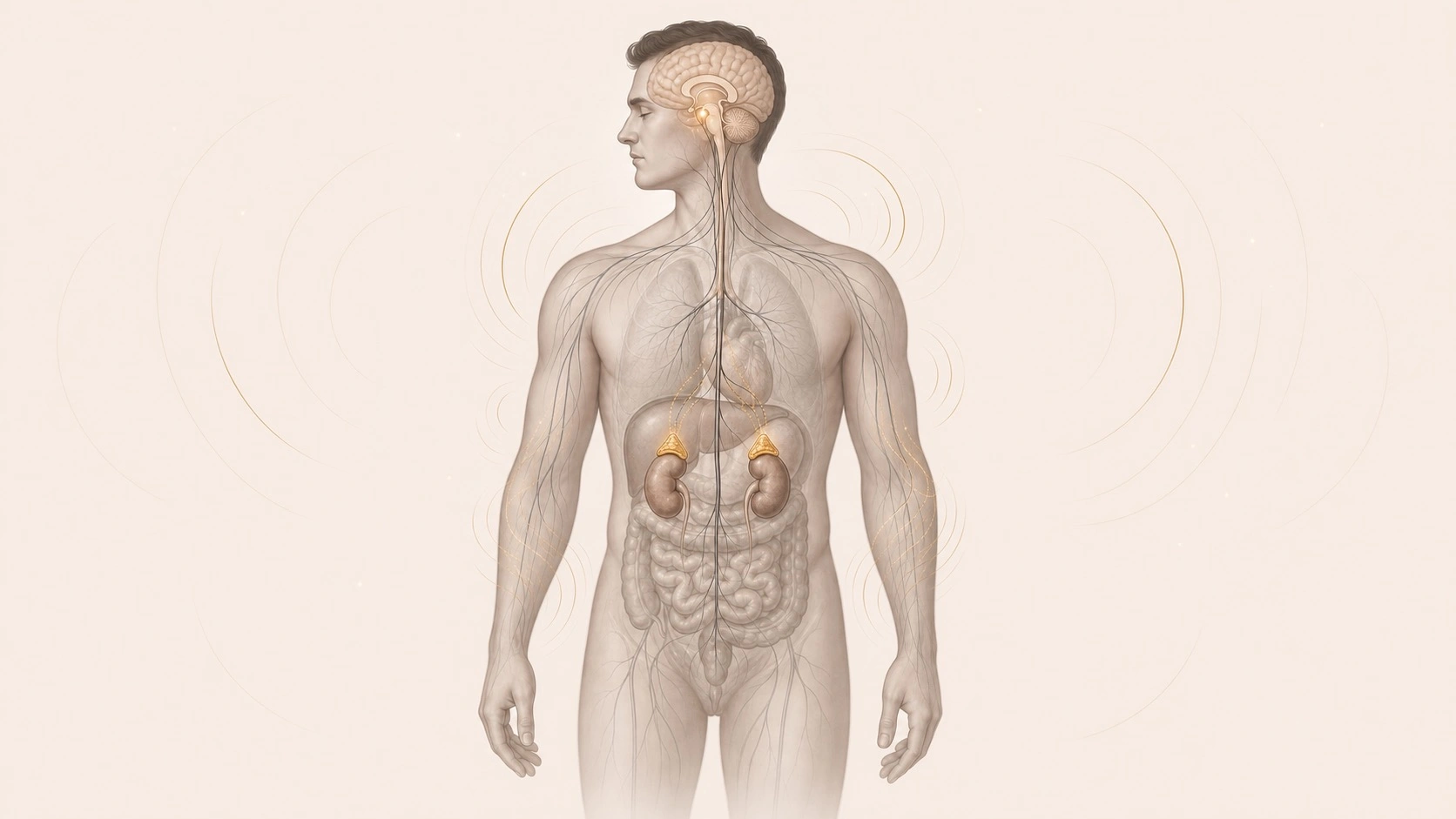
CORTISOL
Plays a role in stress response, metabolism and energy regulation.
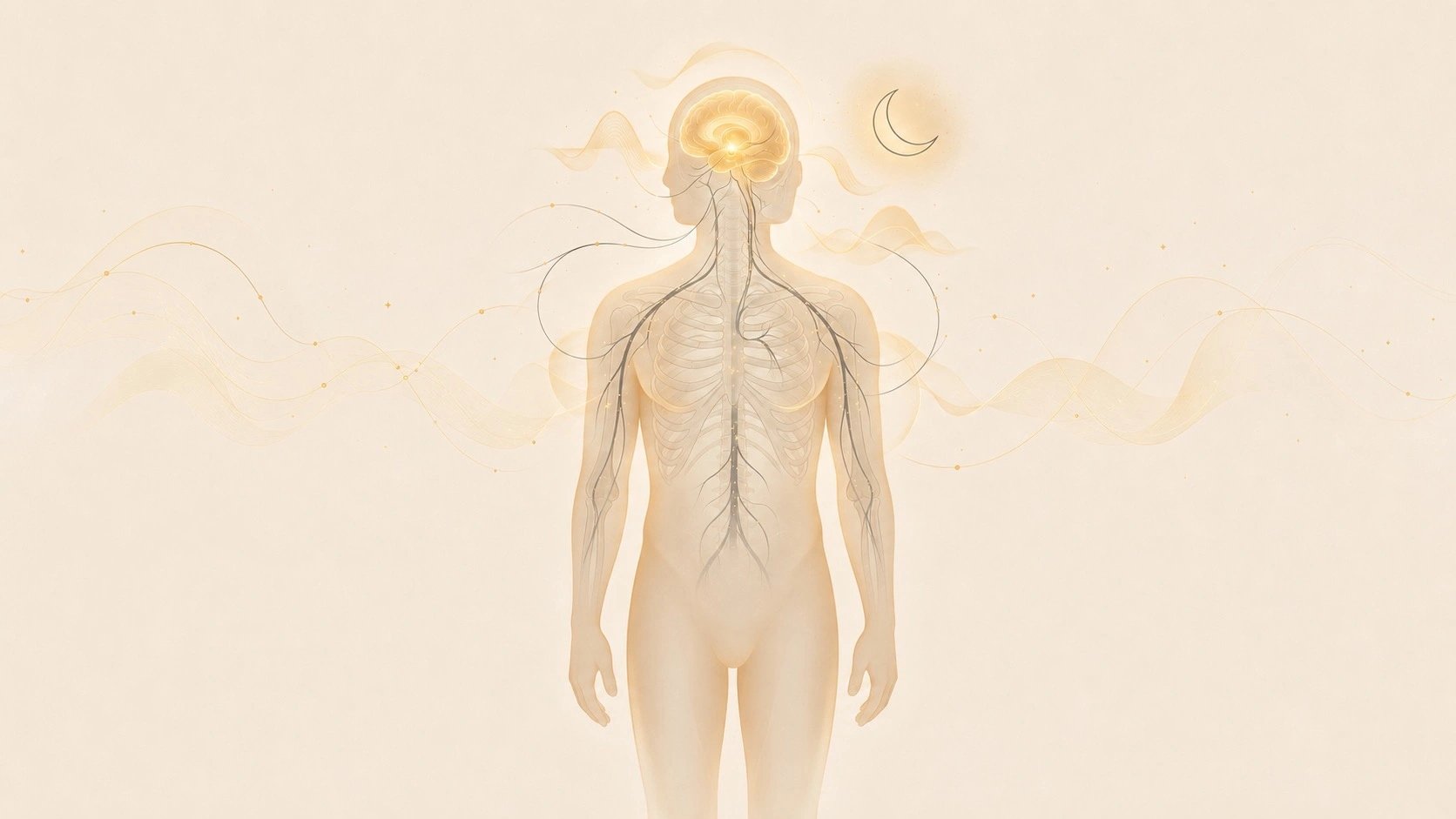
MELATONIN
Helps regulate your sleep–wake cycle and body clock.
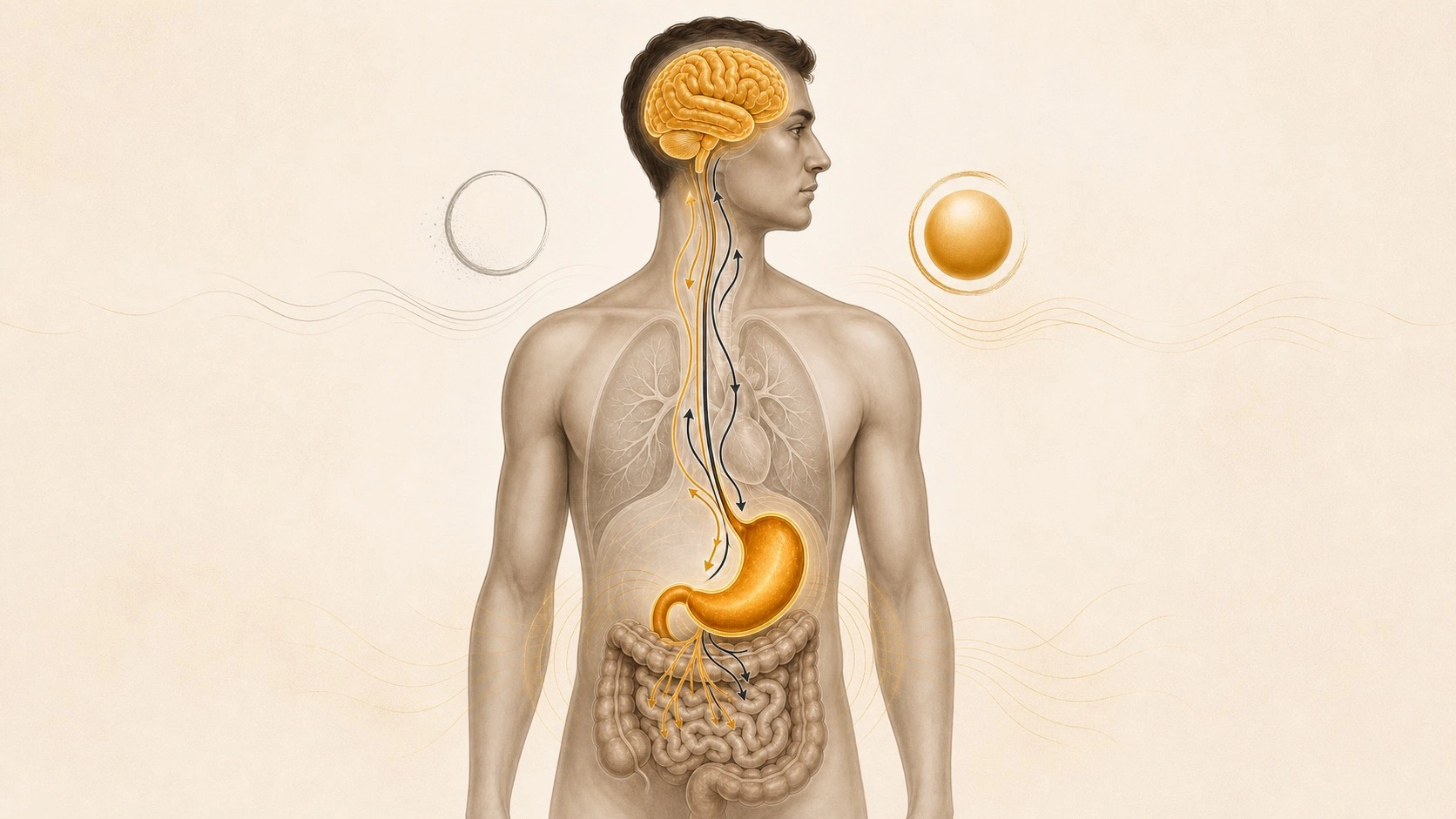
GHRELIN & LEPTIN
Two hormones involved in hunger, fullness and energy balance.
A FEW THINGS WORTH KNOWING

WANT TO GO A LITTLE DEEPER?
Now that you know what hormones are and some of the jobs they do, the next question is:
What does your body actually need to make, regulate and respond to these signals properly?
That’s where nutrition, key nutrients and the body’s own chemistry start to become interesting.
Keep me in the loop
The Why Bit is still growing. Leave your email and we’ll keep you updated when new topics, simple explanations and useful information are added.
General Information
The information on The Why Bit is provided for general educational purposes only and is not intended to replace professional medical advice, diagnosis or treatment. Individual needs and circumstances can vary, so always seek advice from a qualified health professional before making changes to your diet, supplements, medications or health routine.

Ready for the next bit?
Continue to WHY NUTRITION MATTERS