
Not All Supplements Are the Same
Two supplements can look similar and still
deliver very different things.
Dose, nutrient form, serving size,
formulation and bioavailability can all matter —
so the biggest number on the front
isn’t always the most important one.

So Which One Is Actually Better?
Have you ever stood in the aisle at the supermarket or chemist looking at rows of vitamins and wondered which one to choose?
Maybe one brand had a great commercial on TV. Maybe a friend swears by another. Maybe one bottle says “high strength” and another has a much bigger number on the front.
So which one is actually better?
The answer isn’t always obvious — because the front of the bottle rarely tells you everything that matters.

The Biggest Number Isn’t Always the Most Important
A supplement label can make one product look much stronger than another — but the largest number on the front doesn’t always tell you what you actually want to know.
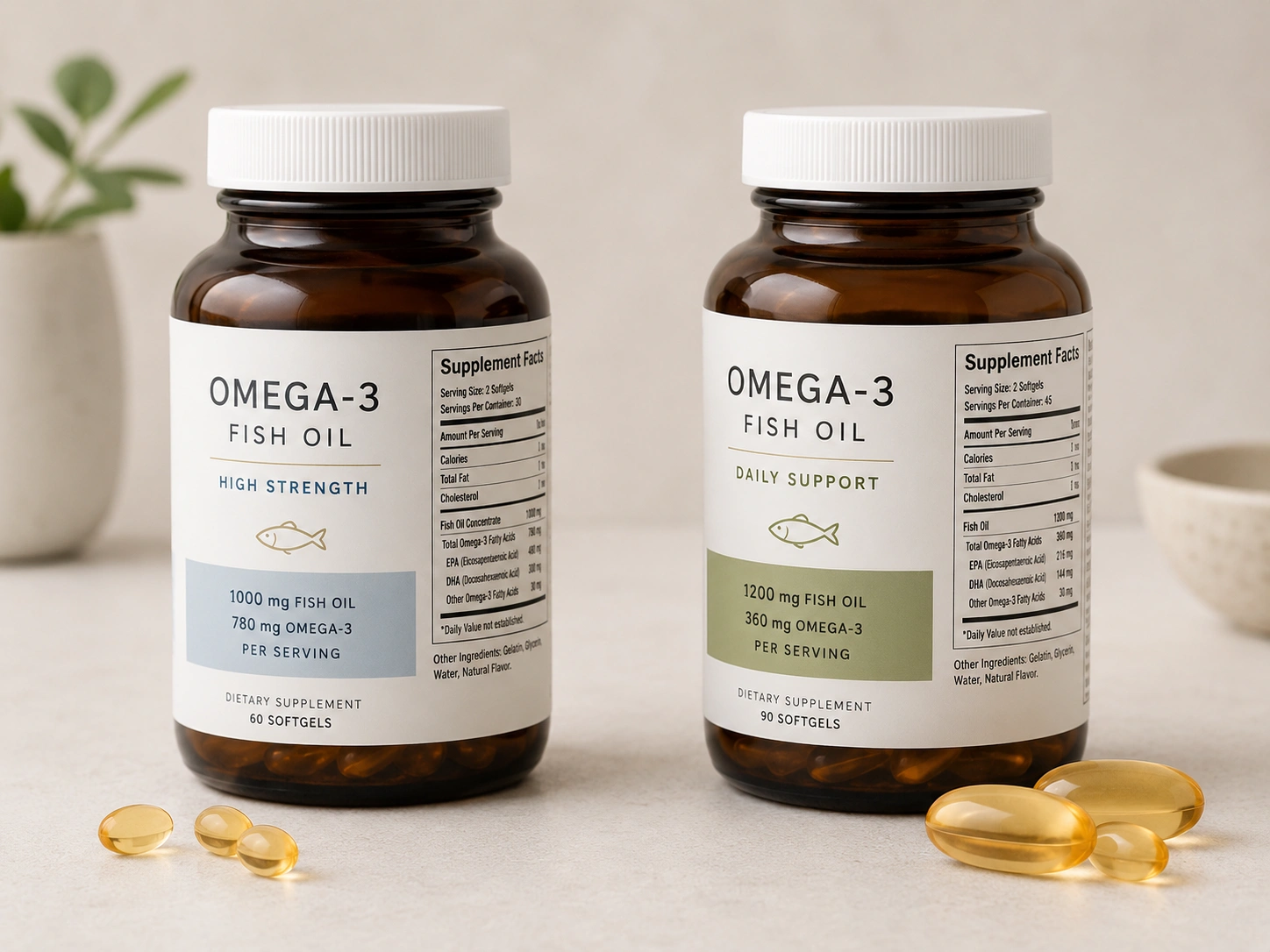
Take fish oil as a simple example.
One bottle might say 1000 mg Fish Oil while another says 1500 mg Fish Oil. At first glance, it seems obvious that the 1500 mg product must be better.
But those numbers can refer to the total amount of fish oil, not necessarily the amount of the omega-3 fatty acids EPA and DHA it provides.
To make a useful comparison, you need to turn the bottle around and look at things such as:
how much EPA and DHA is provided
whether the amount shown is per capsule or per daily serving
how many capsules are required
the form and concentration of the ingredient
The Why Bit: a bigger number can mean more of something — but first you need to know what that number is actually measuring.
Same Nutrient, Different Forms
Two supplements can both say they contain the same vitamin or mineral — but that doesn’t necessarily mean they contain it in the same form.
Nutrients can be supplied in different chemical forms, and those forms can influence things such as:
how easily the nutrient dissolves
how well it is absorbed
how stable it is in the product
how well someone tolerates it
how the body processes and uses it
That doesn’t mean there is always one universally “best” form. The most suitable form can depend on the nutrient, the formulation and the person taking it.
The Why Bit: when comparing two supplements, don’t stop at the nutrient name. Look at what form of that nutrient is actually being used.
Same Nutrient. Different Product.
Two supplements can contain the same headline nutrient and still differ in dose, form, concentration, serving size and added ingredients.
With some water-soluble vitamins, including vitamin C and several B vitamins, taking more than the body needs may simply mean some of the excess is excreted in urine. But that doesn’t mean very high doses are automatically harmless — some vitamins and minerals have established upper intake limits.
The Why Bit: A high-dose supplement may sometimes give you more than you need — and in some cases, part of what you paid for may literally end up as very expensive pee. 😂
So don’t judge a product by the biggest number on the front.
Look at the dose, the form, the serving size and what the whole product actually provides.
Better… For What?
There isn’t always one supplement that is simply “better” than another.
Two products can be well made and still be designed for different purposes. One might focus on providing a particular nutrient, while another combines several ingredients to achieve a broader nutritional goal.
What matters can also depend on what you’re actually trying to supplement — your diet, the nutrient you’re looking for, the amount you need and how practical the product is for you to use.
The Why Bit: Before asking “Which product is better?”, it can be more useful to ask:
“Better for what?”
Serving Size Matters
A number on the front of a supplement bottle can look impressive — but you need to check what that number actually refers to.
One product might list an amount per capsule, while another lists it per serving. And a serving could mean two, three or even more capsules.
For example, two products might both advertise 600 mg of a nutrient, but one provides that in one capsule while the other requires three capsules to reach the same amount.
That matters when comparing products because serving size affects:
how much of the nutrient you actually receive
how many capsules or scoops you need to take
how long the container will last
the true cost per daily serving
The Why Bit: when comparing supplements, make sure you’re comparing like with like.
Don’t just ask:
“How much is in it?”
Also ask:
“How much do I actually get in one serving — and how many capsules does that take?”
Does More Expensive Mean Better?
A higher price can sometimes reflect better ingredient sourcing, more expensive nutrient forms, stronger quality controls or additional testing.
But it can also reflect branding, advertising, packaging and retailer margins.
So a more expensive supplement isn’t automatically a better supplement — and a cheaper one isn’t automatically poor quality.
The Why Bit: don’t just ask:
“Which one costs more?”
Ask:
“What am I actually getting for that price?”
The Whole Formula Matters
A supplement isn’t always just one nutrient sitting by itself.
Some products combine vitamins, minerals, plant extracts or other compounds as part of a broader formulation. Two products containing the same headline nutrient can therefore be quite different once you look at what else is included, the amounts used and why those ingredients have been combined.
It is also worth looking beyond the active ingredients.
Supplements may contain fillers, binders, coatings, flavours, colours or sweeteners to help manufacture the product, improve stability, make it easier to take or improve taste. These ingredients are not automatically a problem, but they can change the overall product.
For example, they may affect:
how large a tablet, capsule or serving needs to be
taste and texture
digestive tolerance for some people
suitability for particular dietary needs or sensitivities
how practical the product is to take regularly
Some sweeteners, particularly certain sugar alcohols, can also cause digestive discomfort in some people when consumed in sufficient amounts.
And just as more ingredients doesn’t automatically mean better, a very long ingredient list doesn’t necessarily mean a more effective formulation.
The Why Bit: Don’t just ask:
“What are the active ingredients?”
Also ask:
“What else am I taking with them — and why is it there?”
Compare the Difference
Quality Goes Beyond the Ingredient List
Two supplements can show similar ingredients and similar amounts on the label, yet still differ in the standards used behind the scenes.
Things that can matter include where ingredients are sourced, how consistently they are manufactured, how raw materials are checked, and what testing is carried out on the finished product.
Quality control can help check things such as:
whether the product contains what the label says it contains
consistency from batch to batch
purity and unwanted contaminants
stability over the product’s shelf life
None of this means the most expensive or fanciest-looking product is automatically better. It simply means the ingredient panel is only one part of the comparison.
The Why Bit: Ask:
“What do I know about how this product was sourced, manufactured and tested?”
What Does a Well-Designed Formulation Look Like?
A good formulation is more than a long ingredient list or a large number on the front of the bottle.
Ideally, the ingredients should have a clear purpose, be provided in appropriate forms and useful amounts, and make sense together as part of what the product is designed to provide.
Things worth looking for include:
a clear reason for each active ingredient
nutrient forms that suit the intended use
meaningful amounts rather than ingredients included simply to make the label look impressive
ingredients that complement the overall formulation
a serving size that clearly tells you what you are actually getting
unnecessary fillers, flavours or sweeteners kept appropriate to the product
manufacturing and quality controls that support consistency and purity
And importantly, more ingredients is not automatically better. Sometimes a simple formulation designed to do one job well makes more sense than a bottle containing twenty ingredients in tiny amounts.
The Why Bit: A useful question is:
“Does this formulation make sense as a whole?”
A Real-World Formulation: EverGlow
Now that we know what to look for, we can apply those same questions to a real product.
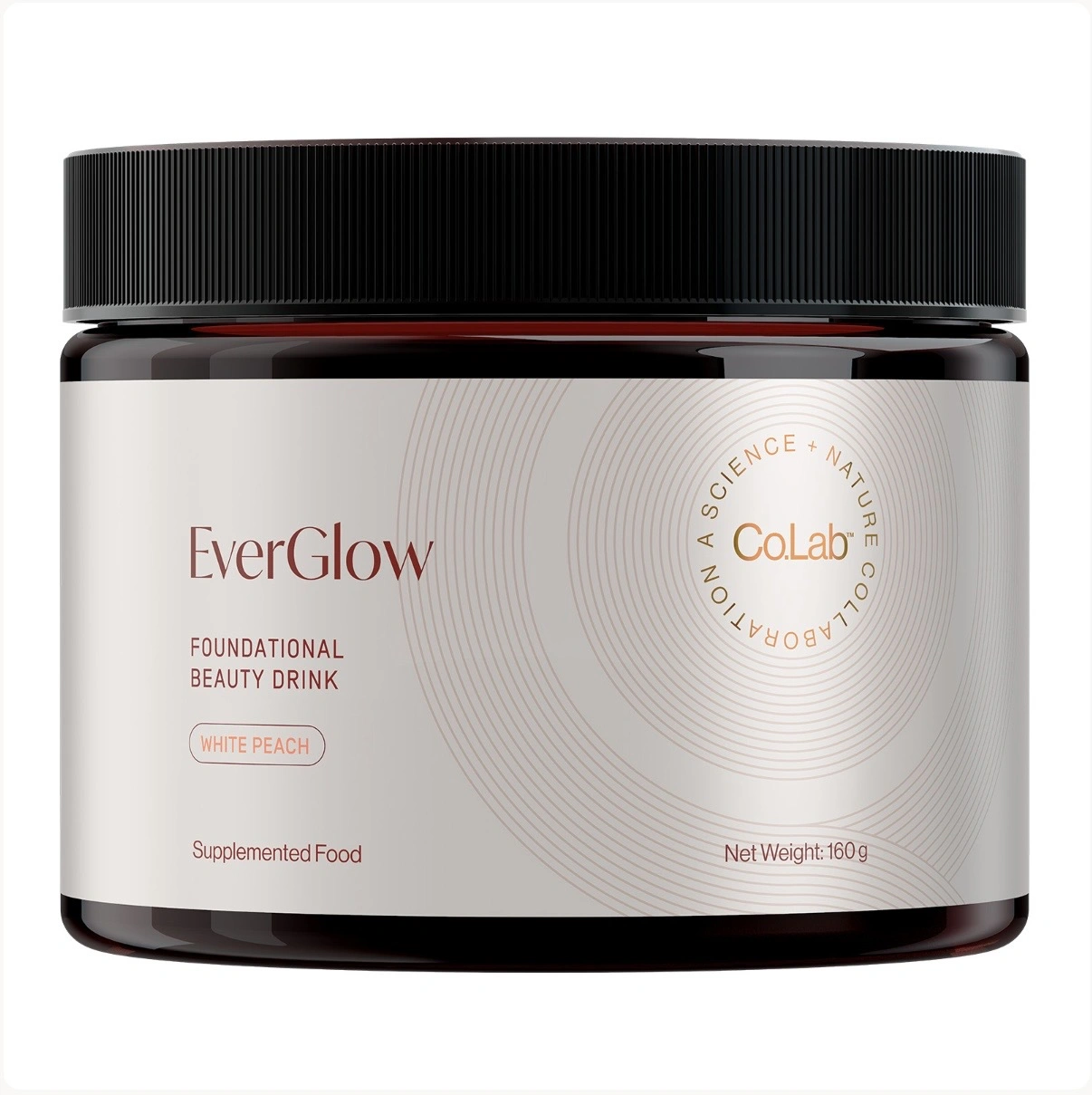
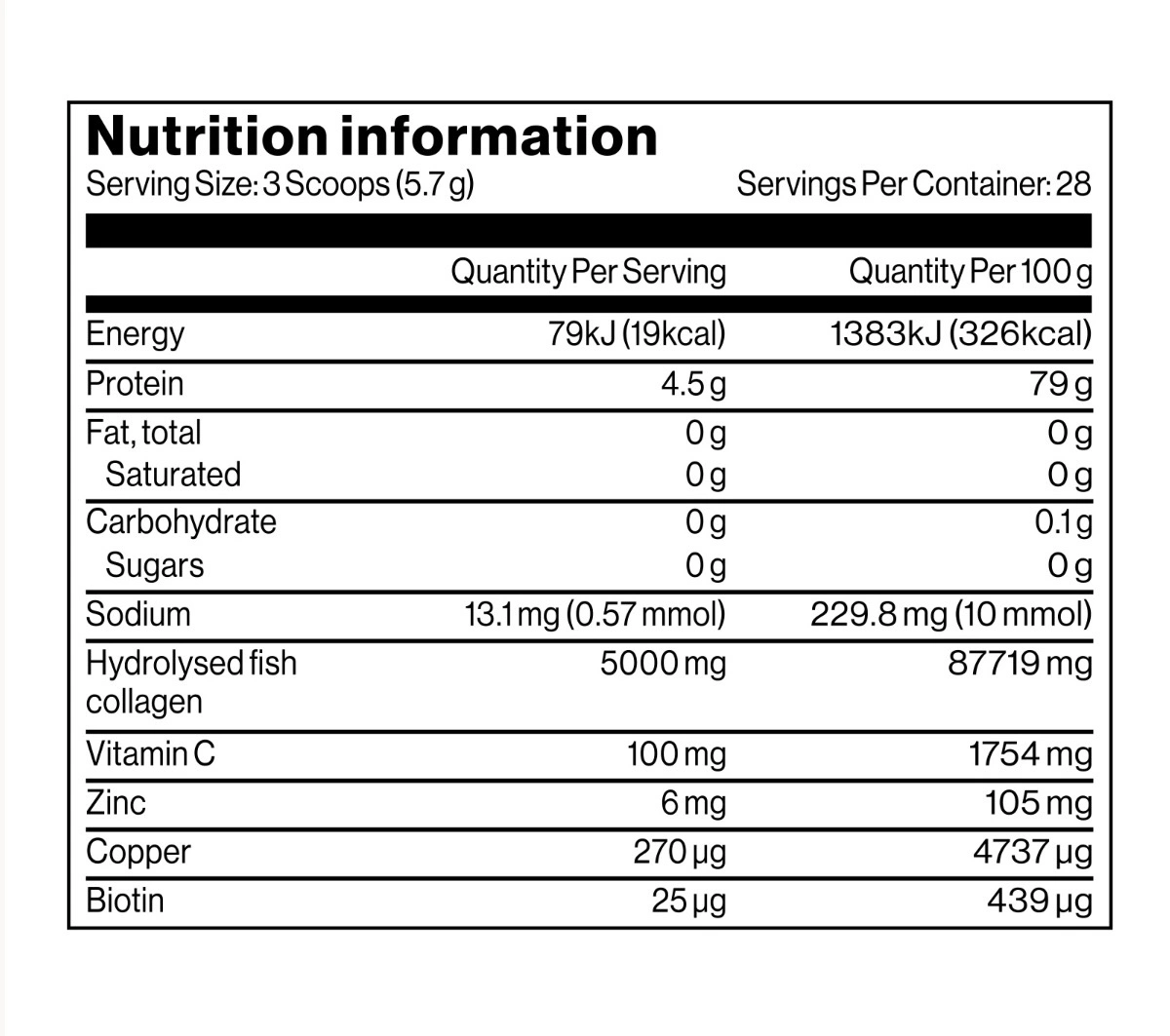
A serving of EverGlow provides 5,000 mg of hydrolysed fish collagen, together with vitamin C, zinc, copper and biotin.
What makes the formulation interesting isn’t simply the number of ingredients — it’s why they have been put together.
Hydrolysed collagen has been broken into smaller peptides, making it easier to incorporate into a drink and digest than intact collagen protein.
Vitamin C has a very different job. Your body needs vitamin C during the process of making its own collagen, so its inclusion alongside collagen peptides has a clear nutritional rationale.
Zinc and copper are essential minerals involved in numerous enzyme systems and normal tissue function, while biotin participates in normal nutrient metabolism.
EverGlow also contains white tomato extract, a source of naturally occurring carotenoids.
The Why Bit: this is what we mean by looking at the whole formulation rather than one impressive number on the front.
The question becomes:
“Do the ingredients make sense together for what this product is designed to provide?”
Per 5.7 g serving
Hydrolysed fish collagen — 5,000 mg
Vitamin C — 100 mg
Zinc — 6 mg
Copper — 270 µg
Biotin — 25 µg
EverGlow
Different Goal. Different Formulation.
A well-designed supplement shouldn’t just contain “good ingredients”. The ingredients should make sense for what the product is actually designed to provide.
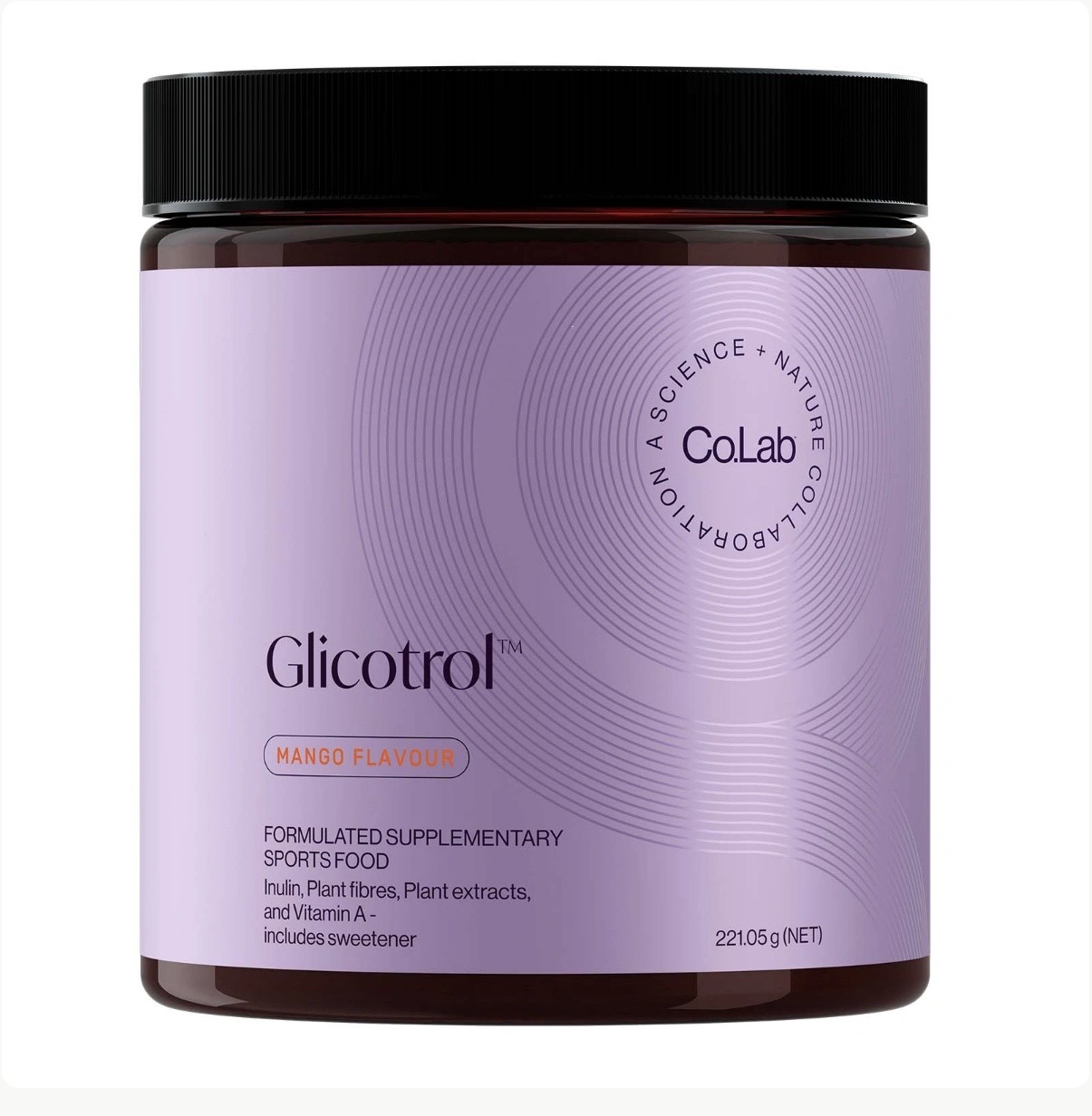
Glicotrol is a very different example from EverGlow.
Its formulation is centred around plant-based fibre, with ingredients including inulin, psyllium fibre, rice fibre and oat bran, alongside plant extracts, vitamin A and chromium.
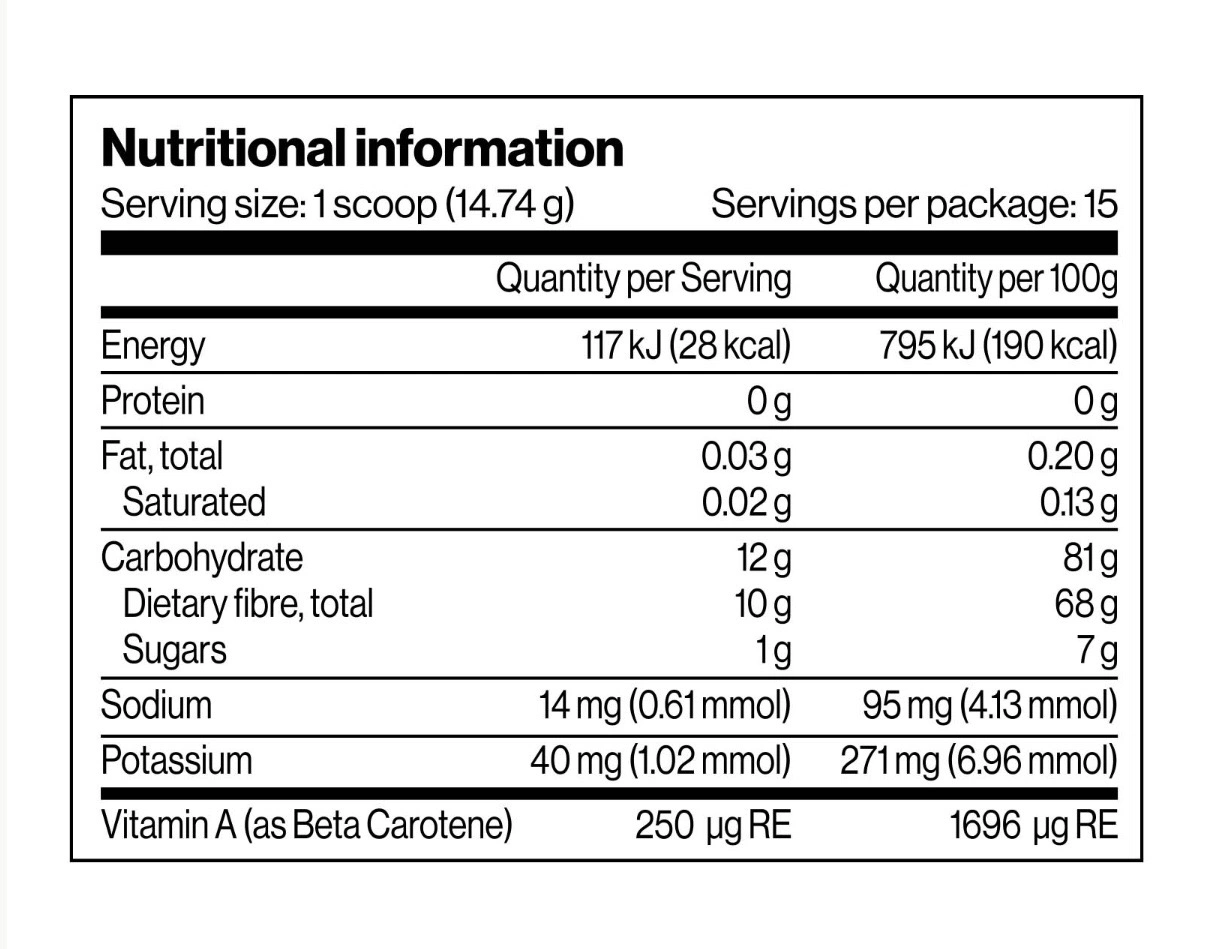
The Australian nutrition panel shows that one 14.74 g serving provides 10 g of dietary fibre, so fibre makes up a substantial part of what the serving actually delivers.
Chromium has a different role, contributing to normal macronutrient metabolism, while vitamin A has its own important nutritional functions in the body.
The Why Bit: EverGlow and Glicotrol are very different products, but we can judge both using the same question:
“Does the formulation make sense for what this product is designed to provide?”
Glicotrol
Different Form. Same Questions.
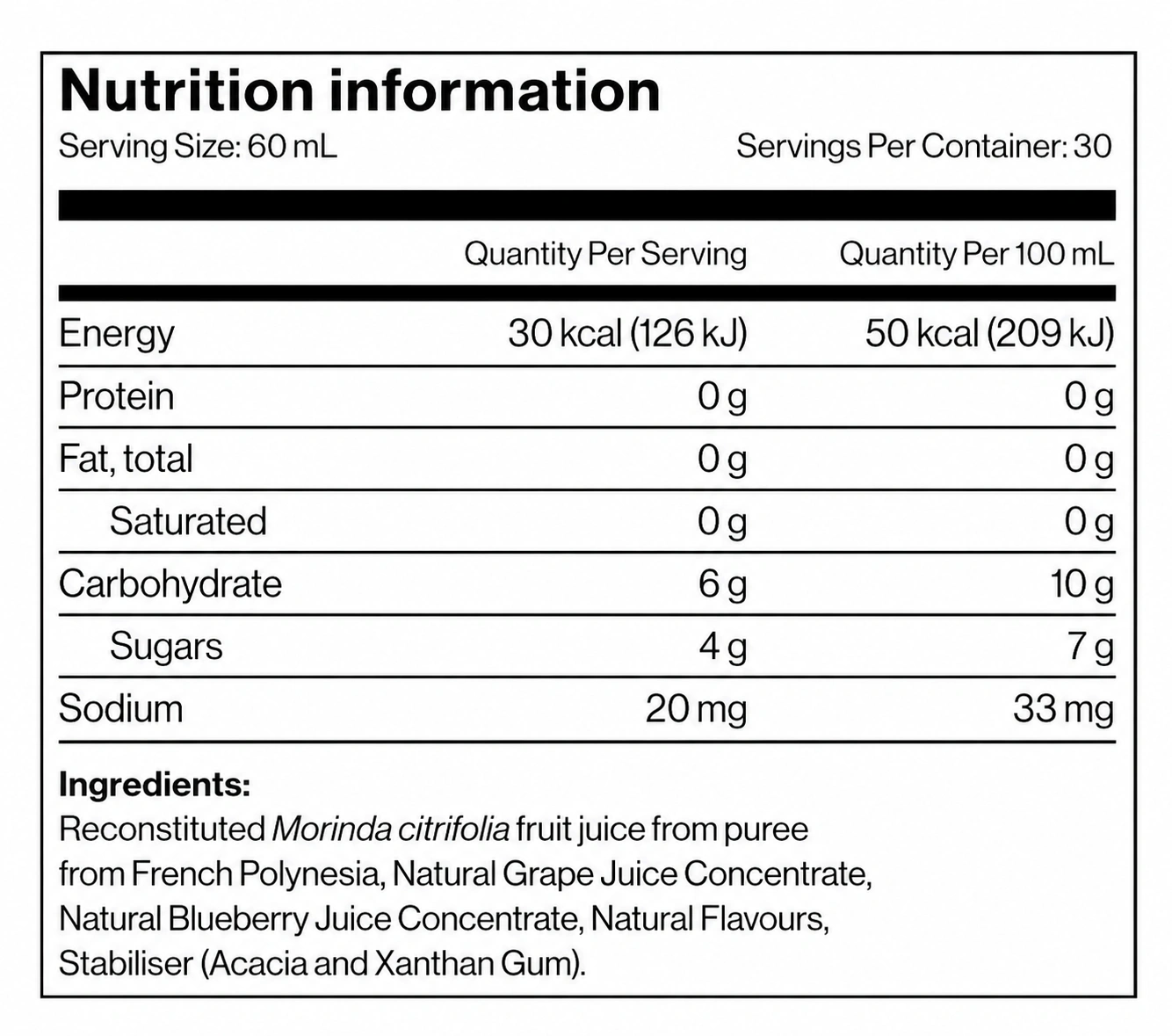
EverGlow and Glicotrol are powders that are mixed with water. Tahitian Noni ORIGINAL gives us a different example — a ready-to-drink liquid formulation.
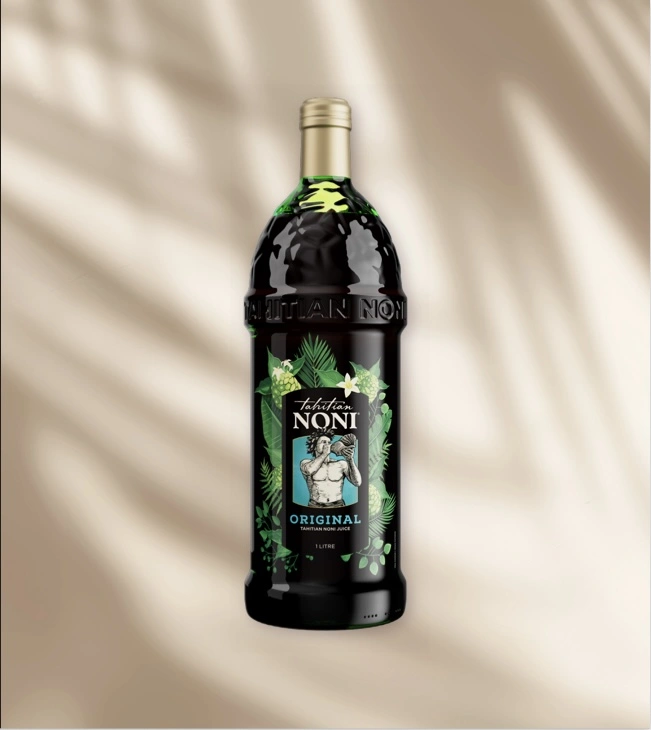
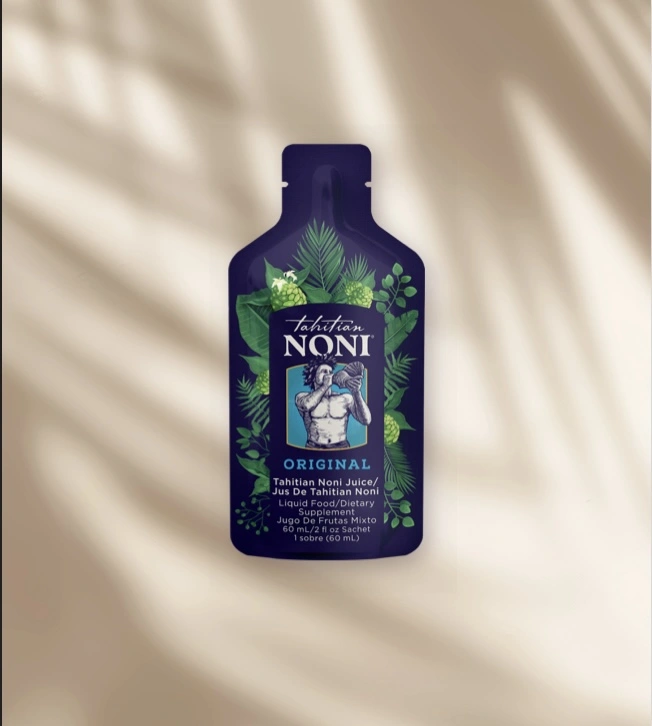
For the 1 L bottle, the Australian label defines one serving as 30 mL, with about 33 servings per bottle. Each sachet contains 60 mL, with 30 sachets per box.
Each 60 mL serving provides:
Energy — 30 kcal / 126 kJ
Carbohydrate — 6 g
Sugars — 4 g
Sodium — 20 mg
Protein — 0 g
Fat — 0 g
And this is where reading the whole formulation becomes useful again.
The ingredient list shows reconstituted Morinda citrifolia fruit juice from puree from French Polynesia, together with natural grape juice concentrate, natural blueberry juice concentrate, natural flavours, and acacia and xanthan gum as stabilisers.
That tells us much more than simply seeing “Noni” on the front of the bottle. We can see what makes up the product, what else has been included, and exactly what constitutes one serving.
A liquid format can also be practical for someone who prefers not to swallow capsules or mix powders, but liquid does not automatically mean better or more bioavailable. It is simply another delivery format that should be judged using the same principles.
The Why Bit: whether it comes as a powder, capsule, tablet or liquid, ask:
“What am I actually getting in one serving — and does the whole formulation make sense?”
Tahitian Noni Original — Bottle Suggested serving: 30 mL
Tahitian Noni Original — Sachet Suggested serving: 60 mL
Both provide the same nutritional profile per 100 mL; the serving size differs because of the packaging format.
Tahitian Noni ORIGINAL
General Information
The information on The Why Bit is provided for general educational purposes only and is not intended to replace professional medical advice, diagnosis or treatment. Individual needs and circumstances can vary, so always seek advice from a qualified health professional before making changes to your diet, supplements, medications or health routine.

Ready for the next bit?
Continue to Explore some products